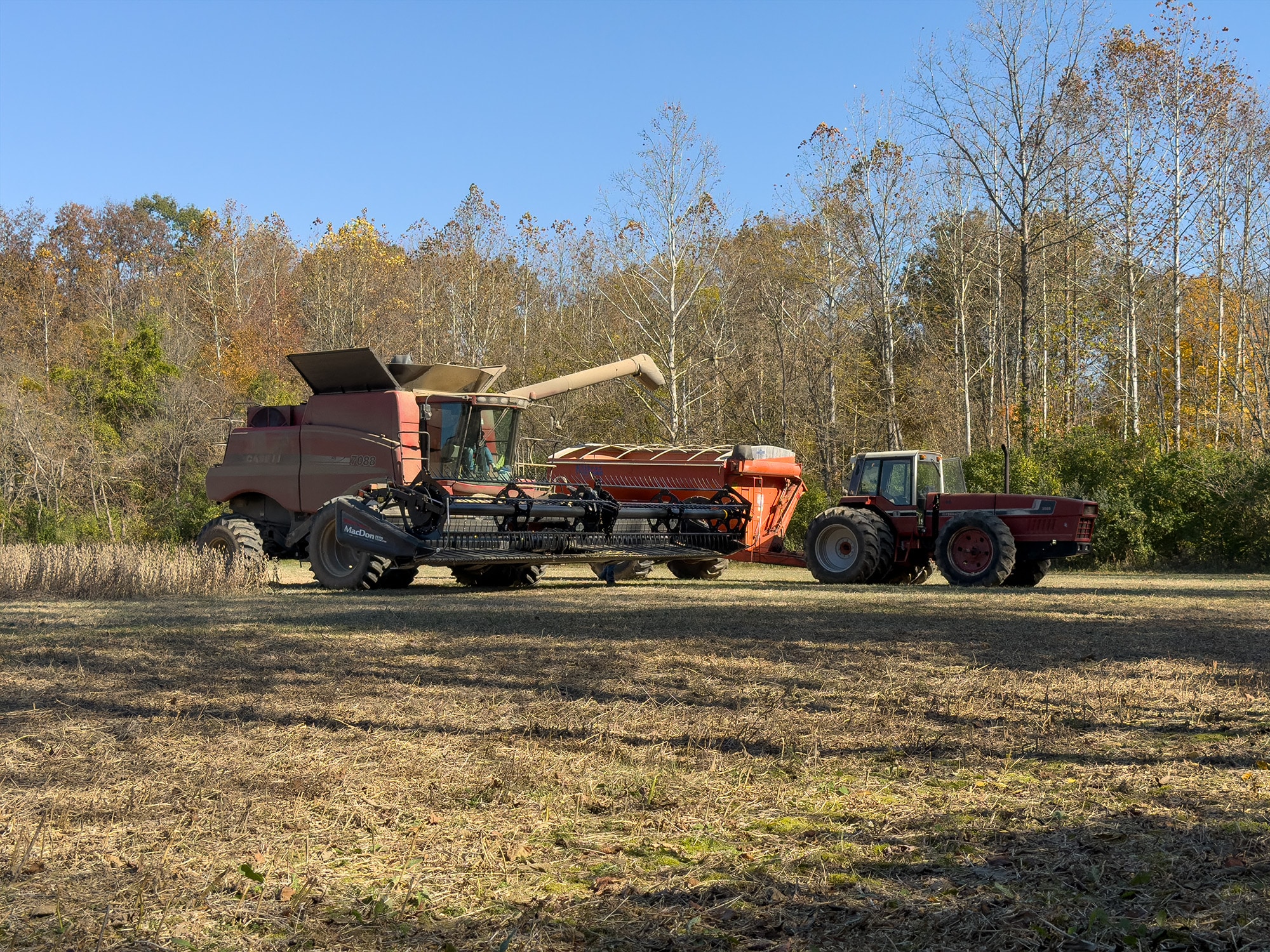
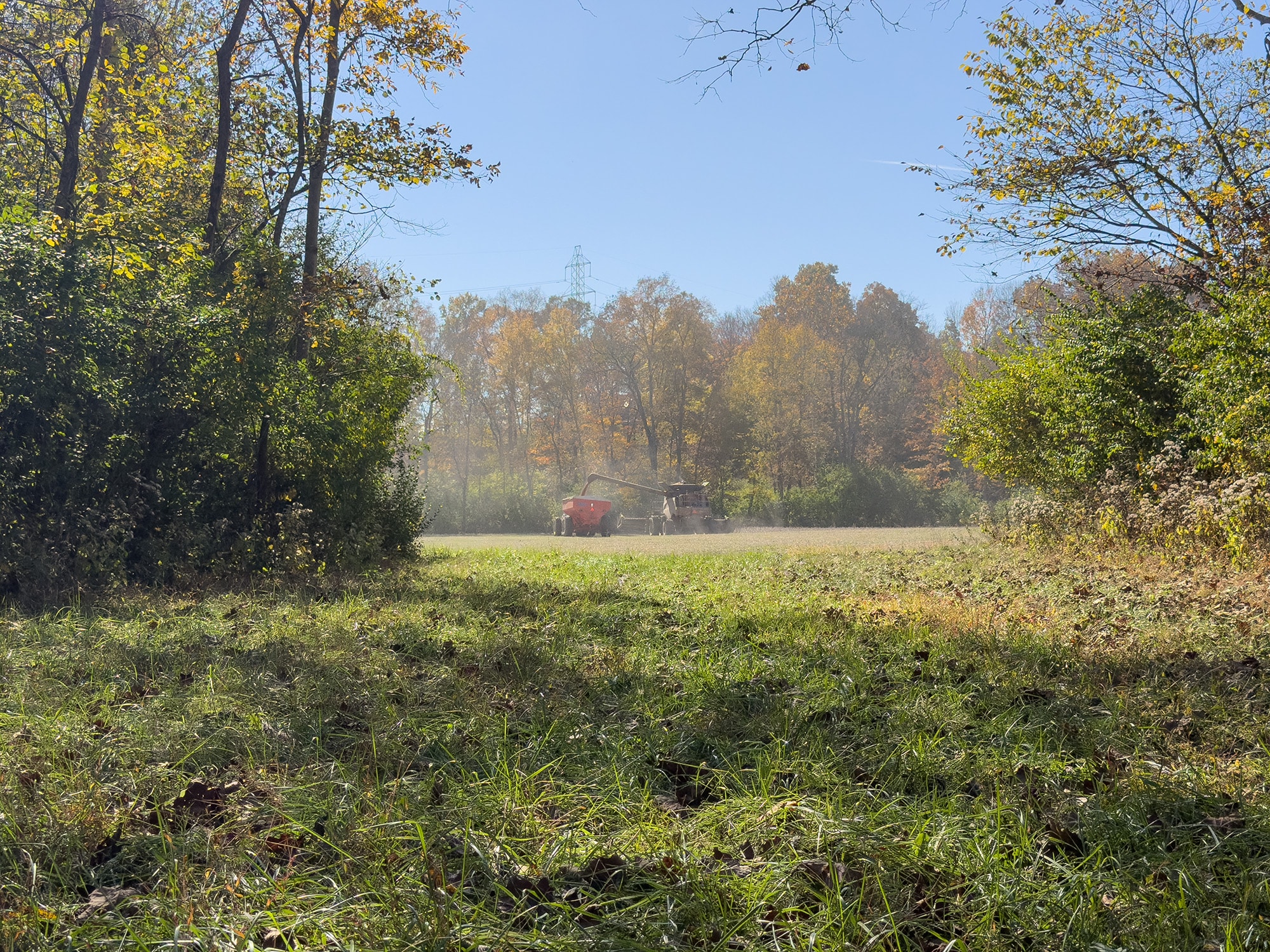
combine filling up a grain buggy pulled by a tractor in a bean field

When to Move a Treestand: Midseason Whitetail Hunting Tips

No matter how much time you put into preseason scouting, a few weeks into the season—or even sooner—you can find yourself wondering what you missed. Maybe the deer are using a different trail, or a spot that produced last year just isn’t working. You hung those stands for a reason, but what you’re seeing now isn’t what you expected.

This is where hunters tend to fall into two camps. Some will move or hang another stand without much hesitation. Others feel like the window has closed: “I got it wrong this year, but I can’t go moving around in the timber now without messing things up. I’ll have to wait until next season.”

I understand both perspectives because I don’t want to mess up my hunting any more than the next person. But I also have a hard time accepting that I should spend the rest of the season in the wrong spot just to avoid disturbing it. For me, the question is how to make the change without creating a bigger problem than the one I’m trying to solve.

Don’t Let the Wrong Stand Cost You a Season

If I’m not where the deer are moving, I’m not really in the game. The trouble is that a stand that made sense before the season can be hard to give up on. I still want to consider why I put it there, but I have to give more weight to what I’m seeing now. Whether it’s a change in food, crops coming off, or pressure, the deer can still be on the property without giving me any shot opportunities.

I mostly hunt from a saddle, so moving is already part of how I hunt. This year, though, I’m helping my daughter achieve her goal of taking her first deer with a bow, and a few stands I hung before the season aren’t where we need them. I’d rather admit that now and adjust to what I’m seeing than keep hoping the deer will follow my plan.

When Patience Becomes Sitting in the Wrong Spot

I’m not ready to move a stand over one slow sit or one deer passing out of range. But if I keep seeing deer use the same trail while we sit too far away to do anything about it, I have to ask what I’m waiting for. There’s a difference between giving a spot a fair chance and hoping the deer will eventually come our way.

I look at what I’m seeing alongside camera activity and fresh sign, then try to figure out what the problem actually is. If the deer are using the area, maybe I only need another tree nearby. If my approach is getting me noticed, moving the stand may not solve much. I’d rather sort that out before going in than disturb the spot only to realize I changed the wrong thing.

Make the Move on Your Terms

Once I’ve decided to move, I don’t want to go in just because I happen to have a free afternoon. I think about where the deer may be and how I’ll get to the stand, then look for a window that works with what’s already happening on the property. The timing is part of the move, not something I want to figure out on the way there.

If the landowner is cutting firewood or a farmer is taking crops off, that’s a window I like to consider. I’d rather make my adjustment while there’s already activity around than make a separate trip into otherwise quiet woods. I still think about my route—equipment in the field doesn’t mean the deer won’t notice me in the timber—but it gives me something to work around.

I’ve bumped deer while moving stands and had the spot seem to settle down within a day or two. That’s encouraging, but it doesn’t make me want to be casual about the next move. I’d rather have everything ready and get it done in one trip than spend an hour figuring things out and have to come back for something I forgot.

Get In, Make the Change, Get Out

Before I head in, I want my gear ready and a pretty good idea of the tree I’m going to use. I’m also thinking about how I’ll get in and out once I’m hunting it. The closer I can get to having those decisions made beforehand, the less time I’ll spend walking around second-guessing the setup.

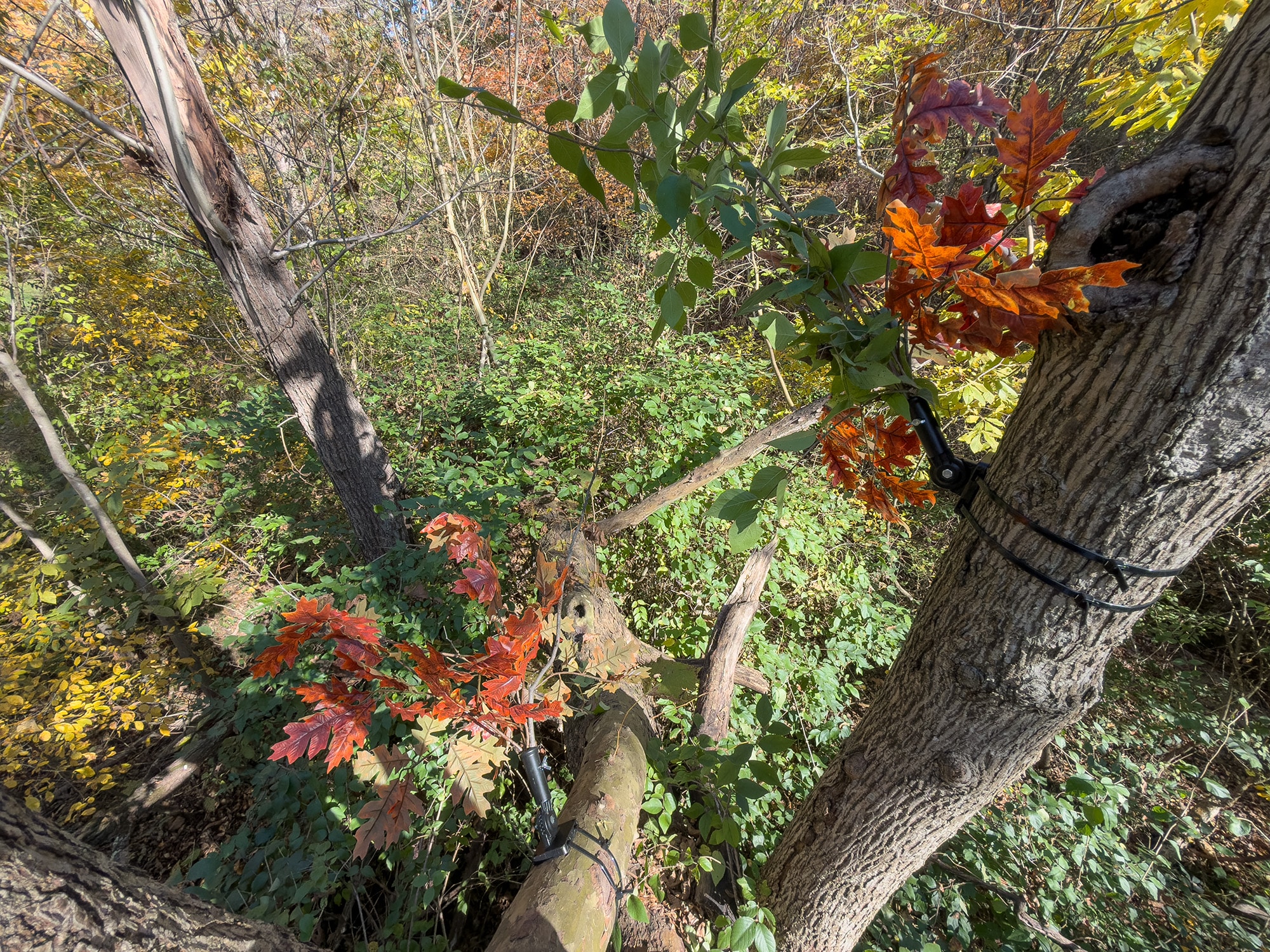
I want to trim enough to make the stand work without taking away the cover I’ll need later. After that, the job is done. The temptation is to think, “While I’m here, I’ll check that other trail.” That’s where a needed adjustment can turn into a lot more walking than I intended, and it works against the whole reason I planned the trip.

One thing that has helped me in the past is using a leaf blower or chainsaw to cover my entry while moving stands. I know that sounds backward when I’m talking about limiting disturbance, but in this case I want the deer to hear me coming. In my experience, that noise tends to push them out ahead of me before I happen upon them at close range.

I’d rather have a deer hear the equipment from a distance and move off than have it hold tight until I’m practically on top of it. I’m not saying the noise goes unnoticed. I’m saying it has helped me avoid startling deer the way a close-range encounter can. Moving a treestand usually involves making noise, so I embrace the reality of it and give the deer something else to focus on.

Let the Rain Help Clean Up Your Visit

In terms of timing, I especially like to move stands just before a heavy rain. The noise can’t usually be avoided, but the sudden presence of human scent can be.

I’ve often had deer return the next day with no noticeable difference in how they use the area. That’s what I’m trying to repeat: let the equipment give them warning, get the work done, and let the rain help clean up what I left behind. I can’t tell you exactly what they smell or remember, but those quick and normal returns to typical deer behaviors have led me to believe this strategy really works.

Even with rain coming, I still pay attention to the wind while I’m doing the work. I don’t want my scent blowing into the cover I’m counting on deer to use while I spend time at the stand. If the wind puts me in that situation, I’d rather wait than make a better setup and give the deer another reason to avoid it.

Once I’m finished, I try to leave the spot alone until I’m ready to hunt it. It’s tempting to go back for a look or make one more little adjustment, but that means leaving another trail of scent after I’ve just planned around cleaning up the first one. I’d rather use whatever information I can get without walking back in.

Get Back in the Game—Without Messing It Up

For me, making a midseason change comes down to being willing to admit when a setup isn’t working, then putting some thought into how I’ll fix it. I don’t want fear of disturbing the deer to keep me in the wrong tree, but I’m not interested in moving just to feel like I’m doing something, either. When I have a reason to change, I want to make that visit count and leave the spot alone afterward. The goal is to put myself back in the game without messing up the ground I still have to hunt.

Not every preseason treestand location works out. Learn how to recognize when it's time to move, adjust to changing deer movement, and make a midseason change without putting unnecessary pressure on your hunting area.

Share this post

Leave a Reply

additional articles

other recent blog posts

2026 ATA Show Archery Event of the Year sign
Calvin Bueltel

Top New Archery Accessories from the 2026 ATA Show

The 2026 ATA Show showcased a wealth of innovative archery gear that attendees didn’t know they needed. Highlights included Bering Optic’s thermal bow sight, Latitude Outdoors’ lightweight climbing sticks, Timber Ninja’s cold-weather accessories, and several new products from Firenock and Spot Hogg. Notably, the event’s inclusion of the public and archery competitions signified a positive shift for the show and the community.

Continue Reading »