close up of a white tailed deer in a forest

How to Hunt Pre-Rut Bucks: 7 Tips for Mature Whitetails

The pre-rut is one of the best opportunities to target mature whitetails before peak breeding activity begins. As bucks become more active, fresh rubs and scrapes appear, and daylight movement can increase. Knowing where to hunt and when to make a move can make all the difference.

For bowhunters, success comes down to understanding deer behavior, minimizing hunting pressure, and setting up where a mature buck is most likely to make a mistake.

Here are seven strategies to help you hunt pre-rut bucks more effectively.

Focus on Funnels and Travel Corridors

During the pre-rut, bucks often travel between bedding areas, food sources, and areas frequented by does. Rather than hunting directly over a food plot, look for locations that naturally concentrate deer movement.

Productive locations include:

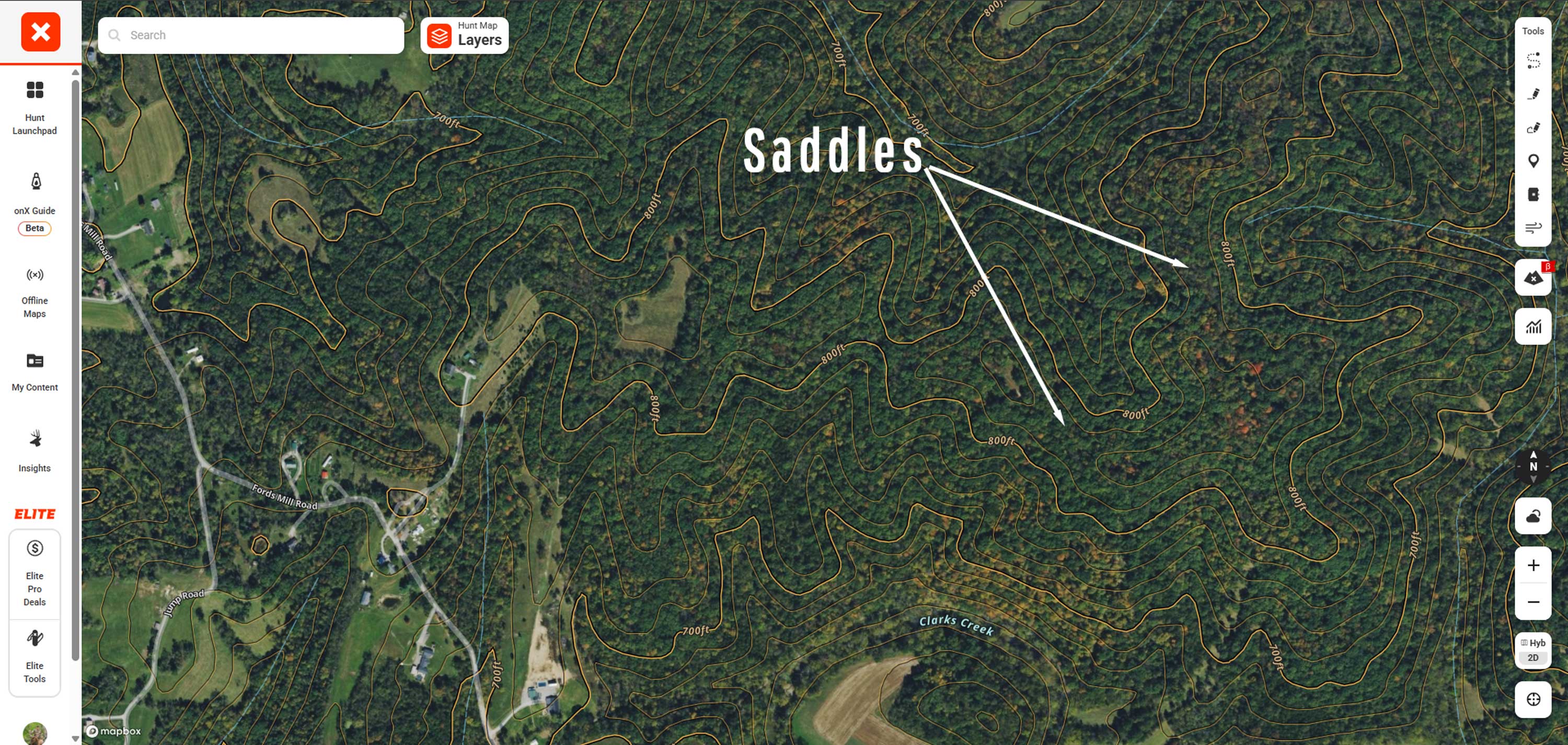
  • Saddles and ridge crossings

  • Creek crossings and narrow travel corridors

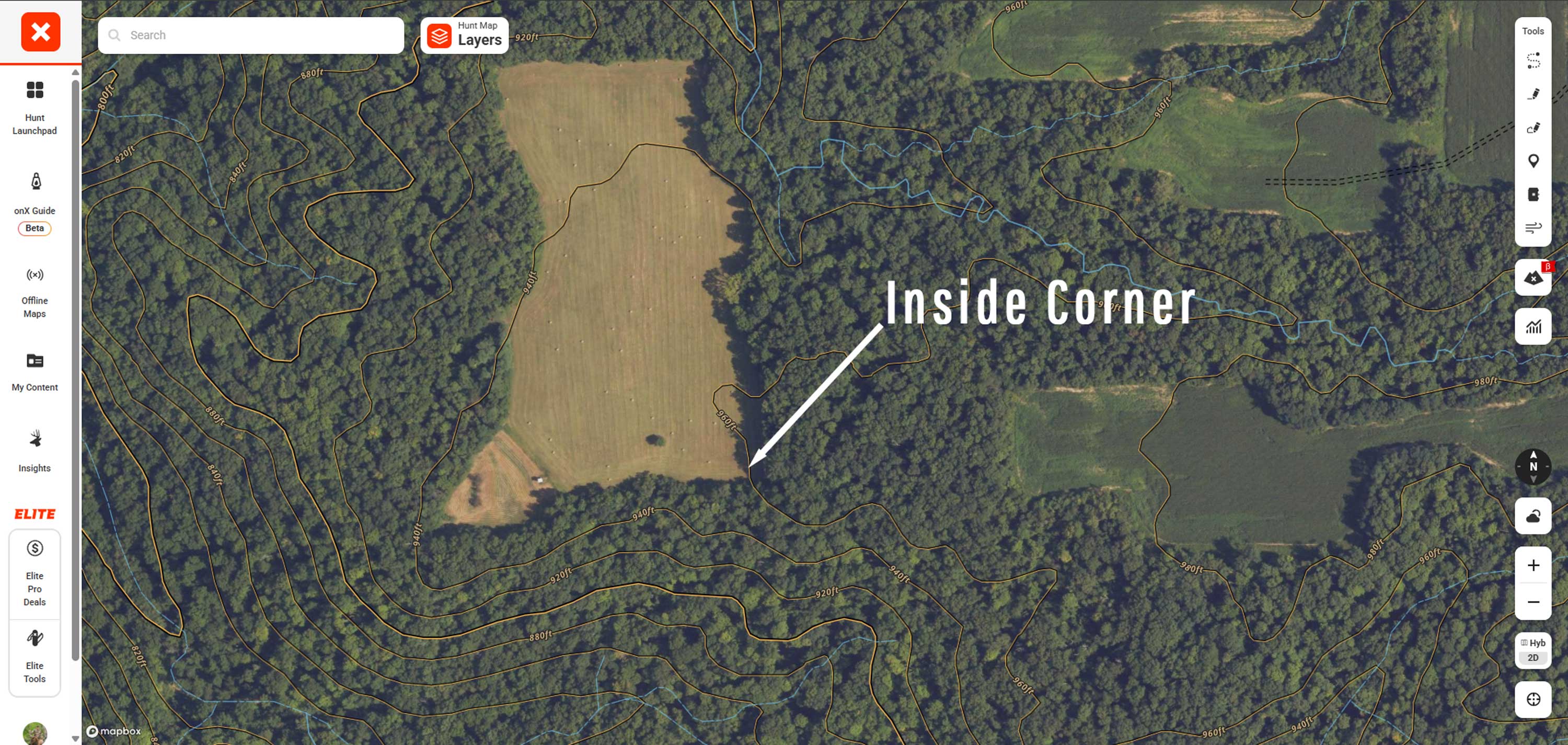
  • Inside corners along field edges

  • Thick cover connecting bedding areas

  • Timber transitions and brushy funnels

Use aerial maps, topography, and fresh deer sign to identify likely travel routes. The goal is to find a location where a mature buck can move during daylight without detecting your presence.

Hunt Fresh Scrapes and Rub Lines

Fresh scrapes and rubs can reveal where bucks are spending time as the pre-rut approaches. However, not every scrape is worth hunting.

Look for scrape lines near bedding areas, staging areas, and travel corridors. Combine fresh sign with trail-camera pictures and tracks to determine whether mature bucks are visiting during daylight.

Consider setting up just off a primary scrape rather than directly above it. This allows you to intercept a buck traveling through the area while reducing the chance of detection.

Remember, fresh sign indicates activity, but it doesn’t guarantee daylight movement. Look for multiple clues before committing to a stand.

 Use Trail Cameras to Identify Daylight Movement

Trail cameras help reveal changes in buck activity without requiring you to spend every day scouting in the woods.

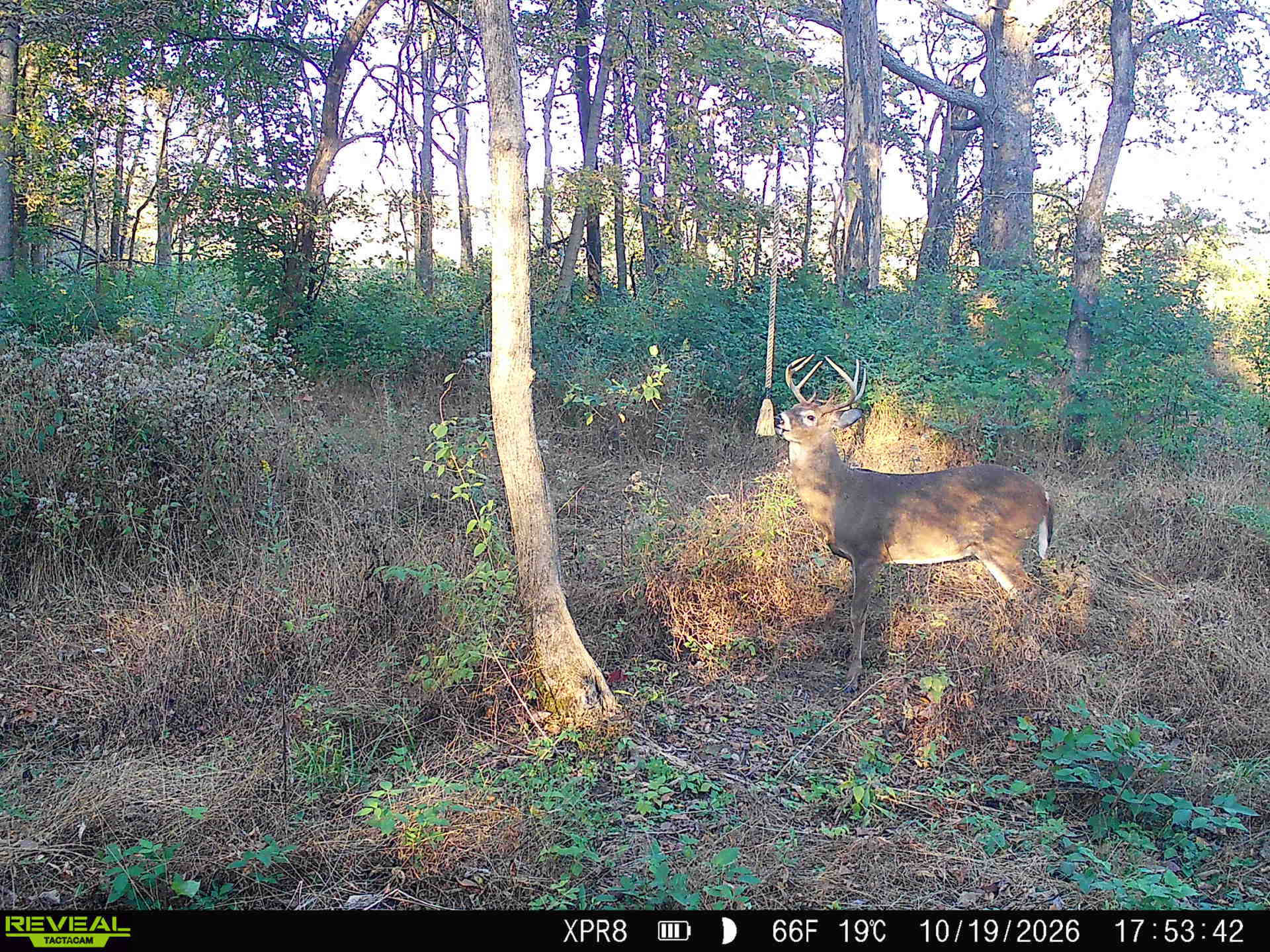
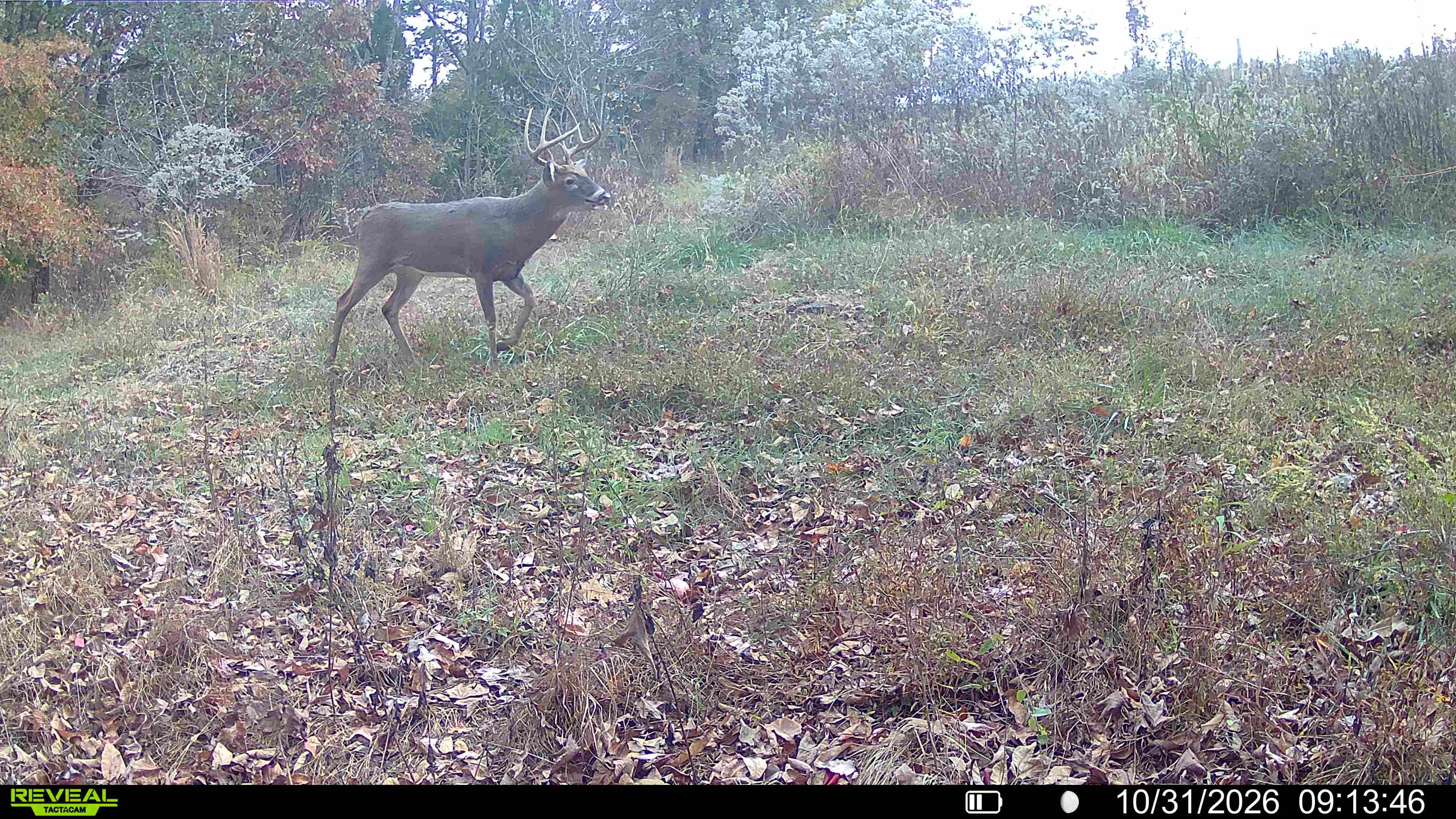
Pay attention to when bucks appear, which trails they use, and whether their movement patterns are changing. A mature buck consistently photographed near sunset along a travel corridor may present a better opportunity than one appearing on a food plot in the middle of the night.

Place cameras near scrapes, staging areas, and suspected travel routes. Cellular cameras can reduce unnecessary trips into the woods, helping you limit disturbance.

Use camera data to make informed decisions instead of repeatedly hunting a location simply because a buck appeared there previously.

Prioritize Wind Direction and Access

Even the best stand location can fail if a buck detects your scent or sees you entering the woods.

Before every hunt, consider both the wind direction at your stand and the route you’ll use to get there. Whenever possible, approach from a direction that keeps your scent away from bedding areas and primary deer trails.

Avoid walking through feeding areas or thick bedding cover when you can use field edges, ditches, or other concealed routes.

Mobile hunters have an advantage because they can choose different setups for different wind conditions. If the wind isn’t right, hunt another location or save the spot for a better opportunity.

Hunt the Edges of Bedding Areas

Mature bucks often seek security in thick cover, making bedding-area edges valuable locations during the pre-rut.

Look for trails leaving secluded cover, brushy points extending toward fields, and transitions between thick vegetation and open timber. These areas can provide opportunities to intercept bucks as they begin moving toward food or checking for does.

Avoid pushing too far into a bedding area without a clear plan. Disturbing a mature buck’s core area can change his behavior and make future hunts more difficult.

A carefully chosen setup near the edge of cover, combined with a favorable wind and clean access, can provide an excellent opportunity.

Use Calls Sparingly

As bucks become more competitive, calling can occasionally attract their attention. However, calling works best when it complements a good hunting location.

  • Grunt calls: Use a few soft grunts when a buck may be within earshot.

  • Rattling: Consider light rattling when local buck activity suggests increasing competition.

  • Doe bleats: Use selectively when the situation supports it.

Calling results vary with hunting pressure, local deer behavior, and the stage of the rut. Avoid excessive calling, especially when you have no reason to believe a buck is nearby.

Stay Mobile and Avoid Overhunting

One of the biggest mistakes hunters make during the pre-rut is repeatedly hunting the same stand.

Even if a location produces trail-camera pictures, excessive pressure can cause mature bucks to change their movement patterns. Rotate locations based on wind direction, recent sightings, and the amount of disturbance each area can tolerate.

A mobile hang-on stand, climbing sticks, or saddle setup can help you capitalize on fresh sign without committing to a permanent location.

Pay attention to changing weather, food sources, hunting pressure, and doe activity. Cold fronts sometimes coincide with increased movement, but temperature alone doesn’t guarantee a productive hunt.

Make each move for a reason, and save your best locations for favorable conditions.

Final Thoughts on Hunting Pre-Rut Bucks

Hunting pre-rut bucks successfully requires patience, preparation, and the ability to adapt. Focus on natural funnels, fresh sign, confirmed daylight movement, and secure bedding-area edges. Combine that information with favorable wind conditions and a clean access route to improve your odds of encountering a mature whitetail.

For self-filming bowhunters, preparation matters just as much. Set up your camera and equipment before deer movement begins, and never let filming interfere with safe bow handling or an ethical shot.

Stay mobile, hunt strategically, and make every sit count.

Hunt smart. Capture the experience. That’s the SELFILMED way.

Explore more whitetail hunting strategies, gear reviews, and self-filming tips at SELFILMED.com or subscribe to the SELFILMED YouTube channel.

SELFILMED’s Brett Bueltel with his 2025 Ohio whitetail buck. Brett employed several of these pre-rut strategies to harvest this mature 9-point whitetail buck.

Learn how to hunt pre-rut bucks with seven practical whitetail hunting tips covering scrapes, trail cameras, wind direction, bedding areas, and mobile setups.

Share this post

Leave a Reply

additional articles

other recent blog posts

2026 ATA Show Archery Event of the Year sign
Calvin Bueltel

Top New Archery Accessories from the 2026 ATA Show

The 2026 ATA Show showcased a wealth of innovative archery gear that attendees didn’t know they needed. Highlights included Bering Optic’s thermal bow sight, Latitude Outdoors’ lightweight climbing sticks, Timber Ninja’s cold-weather accessories, and several new products from Firenock and Spot Hogg. Notably, the event’s inclusion of the public and archery competitions signified a positive shift for the show and the community.

Continue Reading »